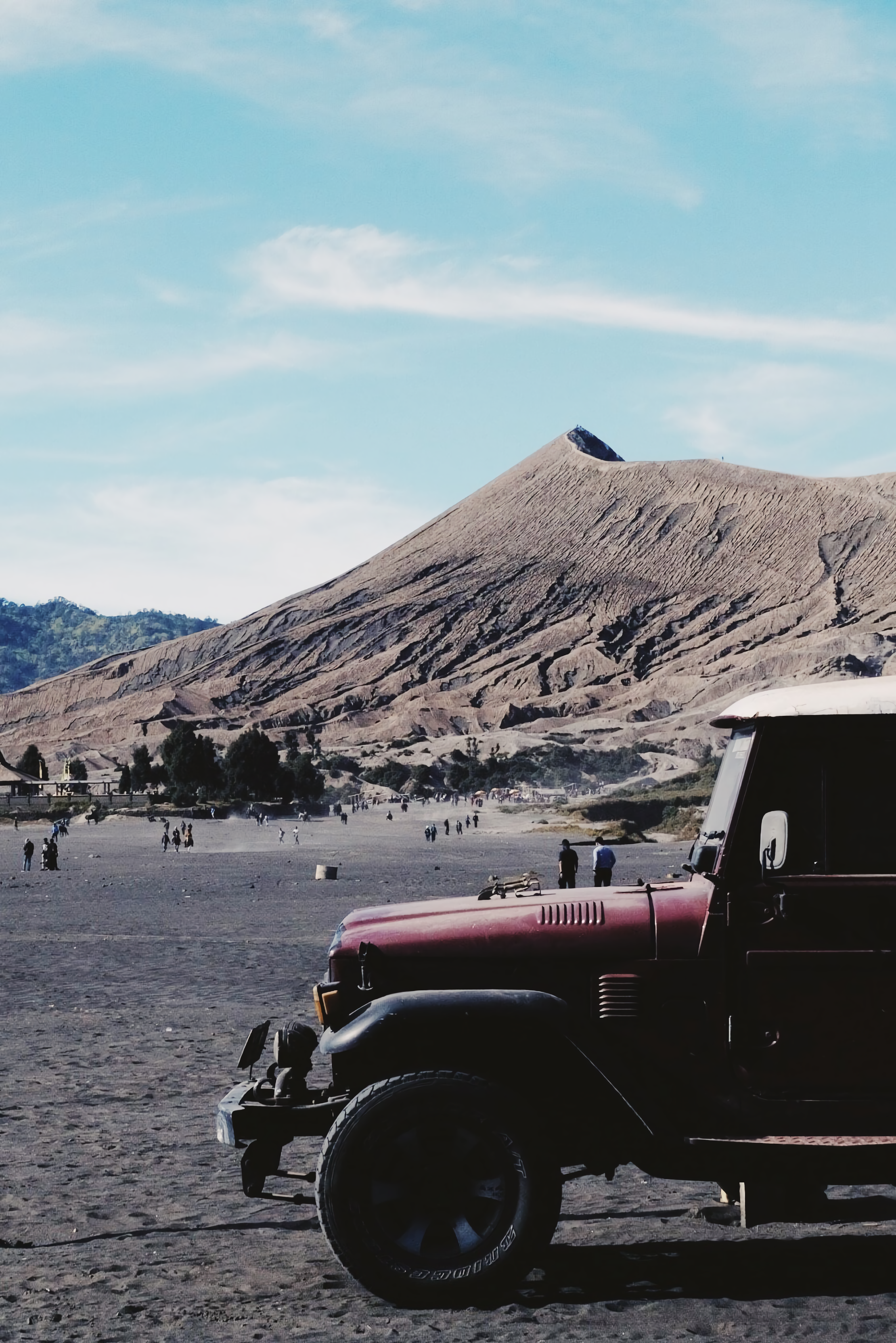
The roads stop.
We don't.
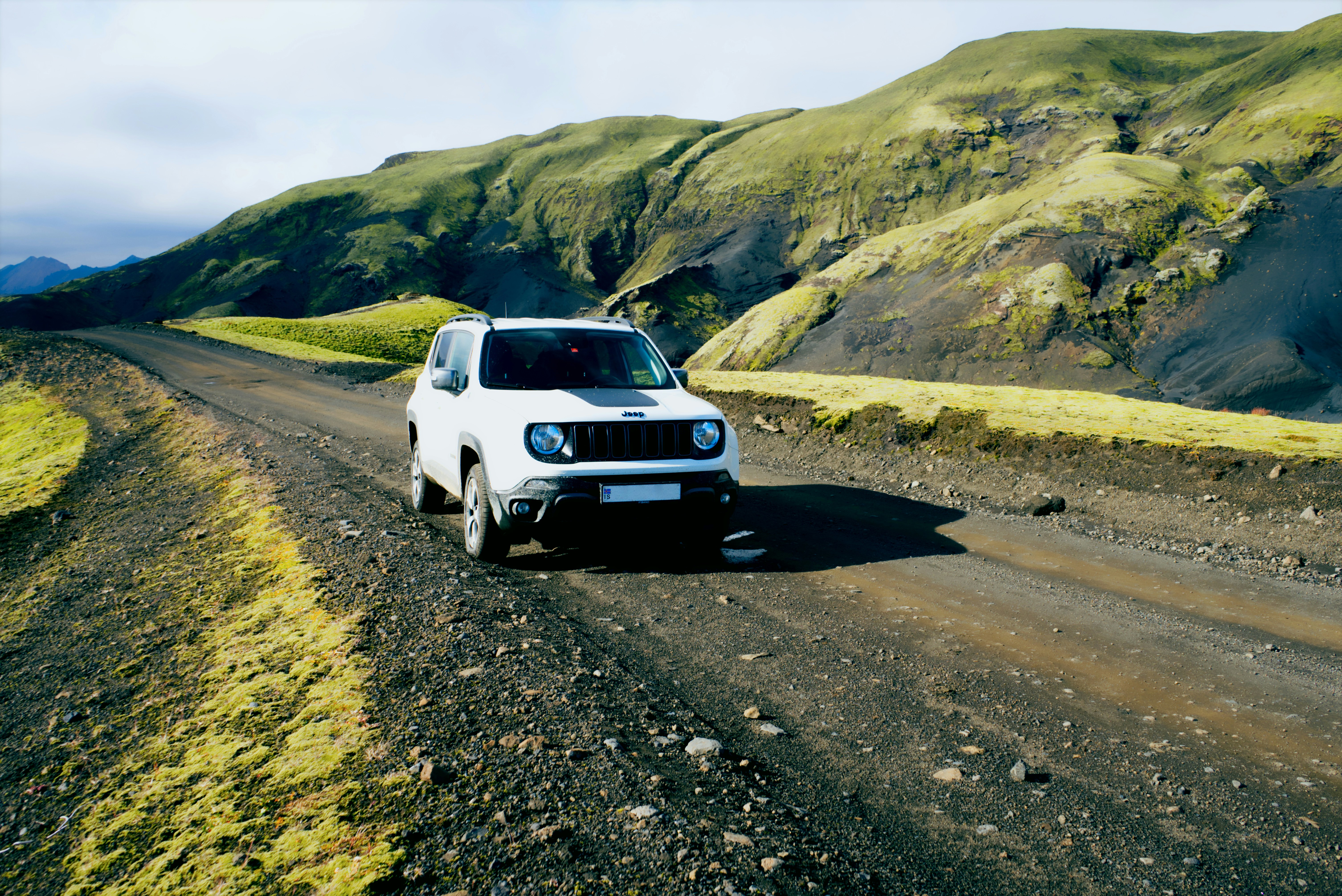
Super Jeep expeditions into Iceland's volcanic interior. Across black sand rivers, under glacier tongues, into highland valleys where the only light is whatever the sky decides to give.
Midnight Sun
When the sky refuses to go dark.
June and July transform the highlands into an otherworldly corridor of perpetual amber. Rivers run full. Hot springs steam in the open air. The sun drags itself along the northern horizon at 2 a.m. and you stop checking the time.
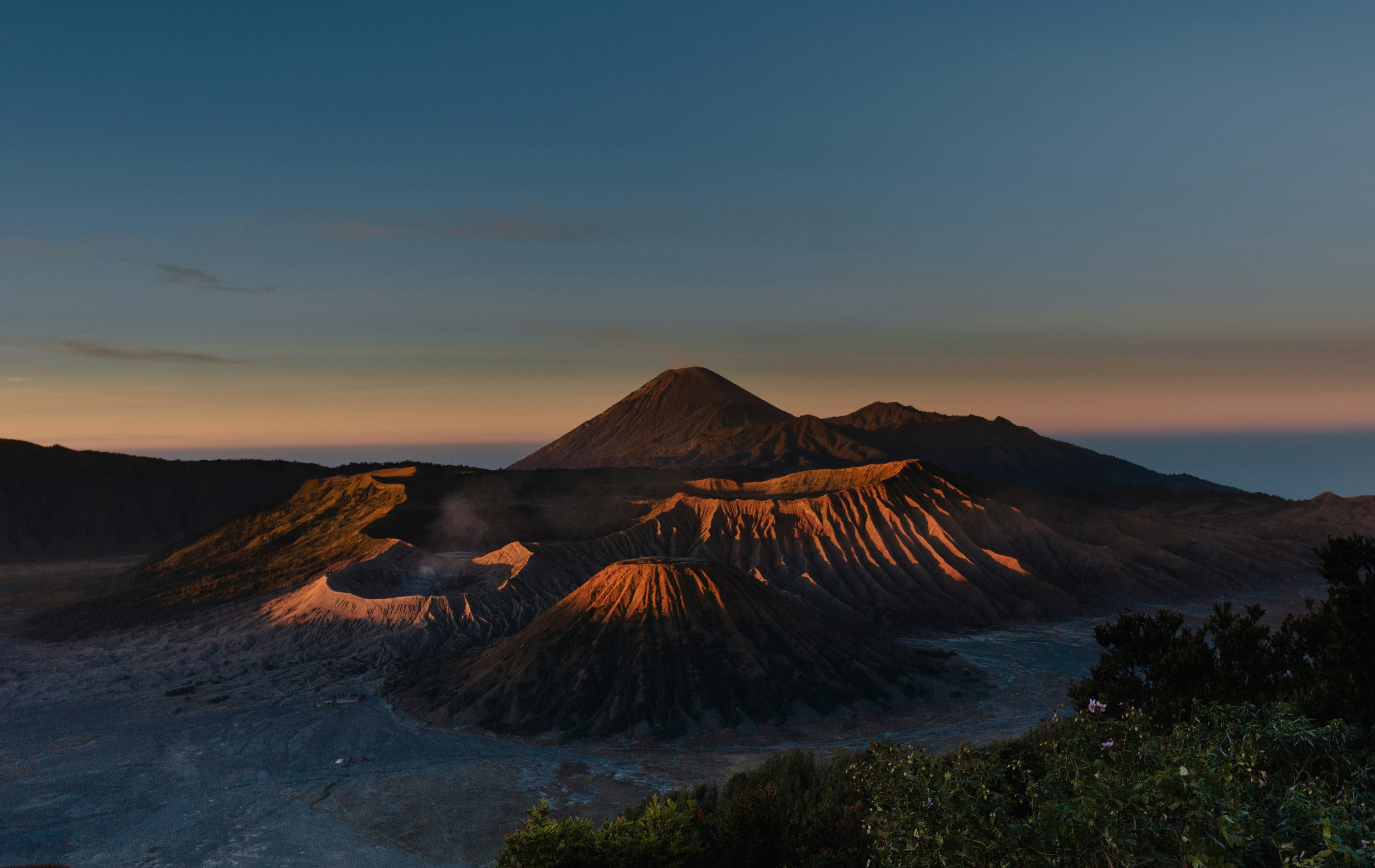
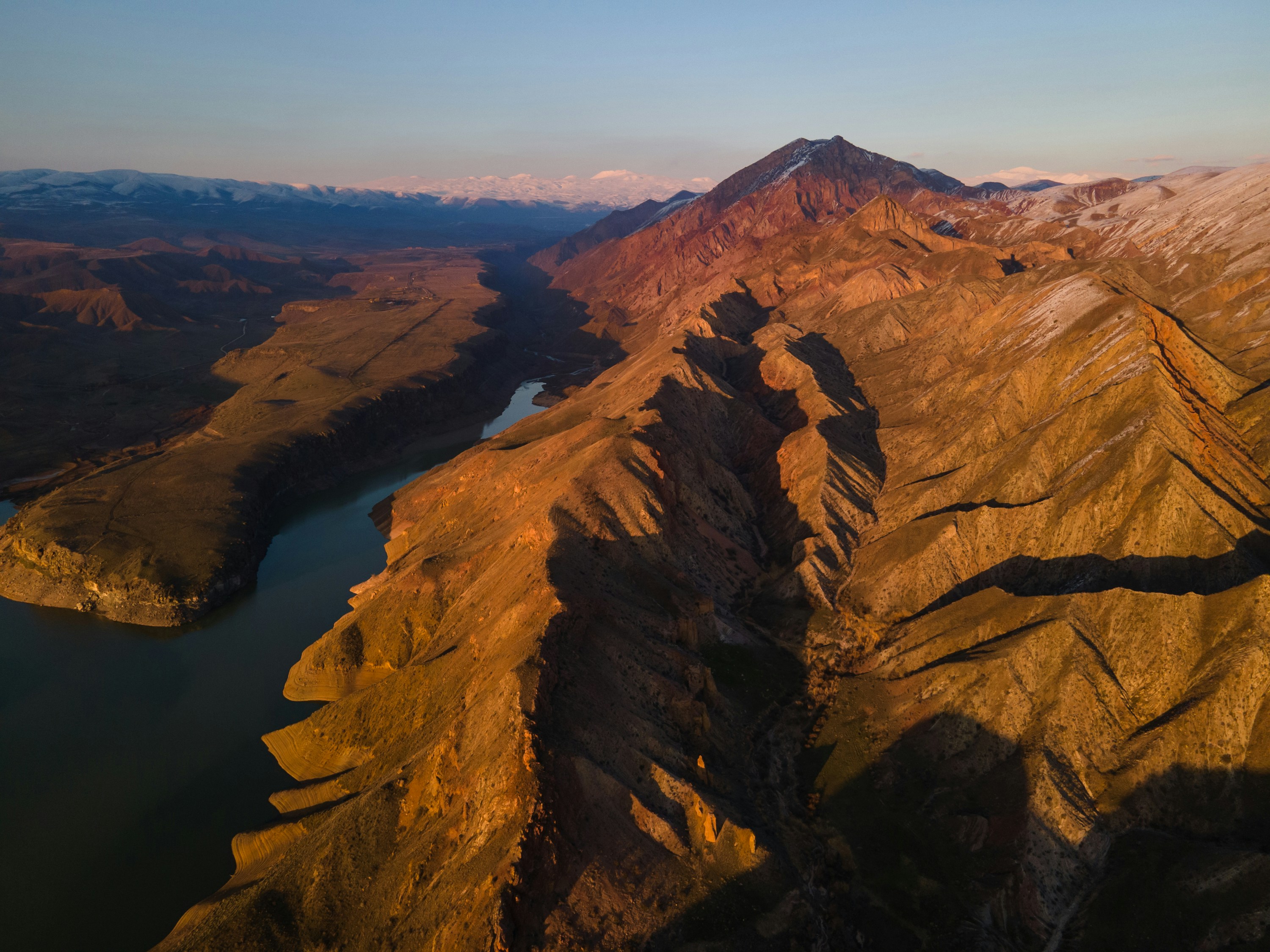
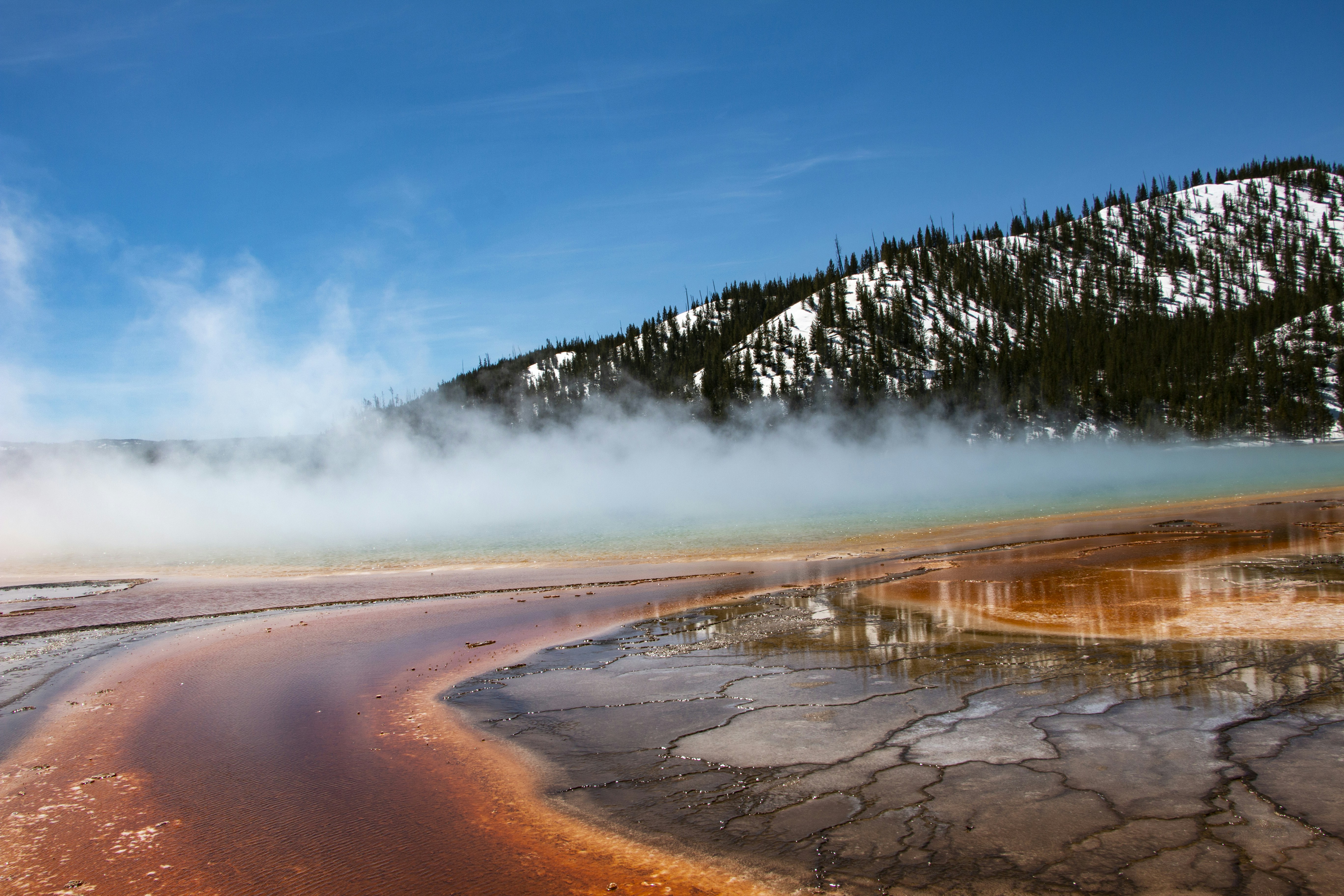
The Kjölur route cuts through the heart of Iceland between the two largest glaciers. We cross Hvítárvatn lake, camp at Hveravellir hot springs, and ford six rivers before the Sprengisandur junction. Driving starts at 9 p.m. when the light goes horizontal.
A shorter expedition built around the multicolored rhyolite mountains of Landmannalaugar. Days are for hiking obsidian ridges and sulfur valleys. Evenings are for the natural hot spring that flows directly from the hillside into a pool at 38°C.
First Frost
Autumn lays down something ancient.
September and October bring the first ice to highland puddles and the first aurora to the sky. The landscape shifts from green and gold to rust and charcoal. Lava fields turn to black velvet under the northern lights.
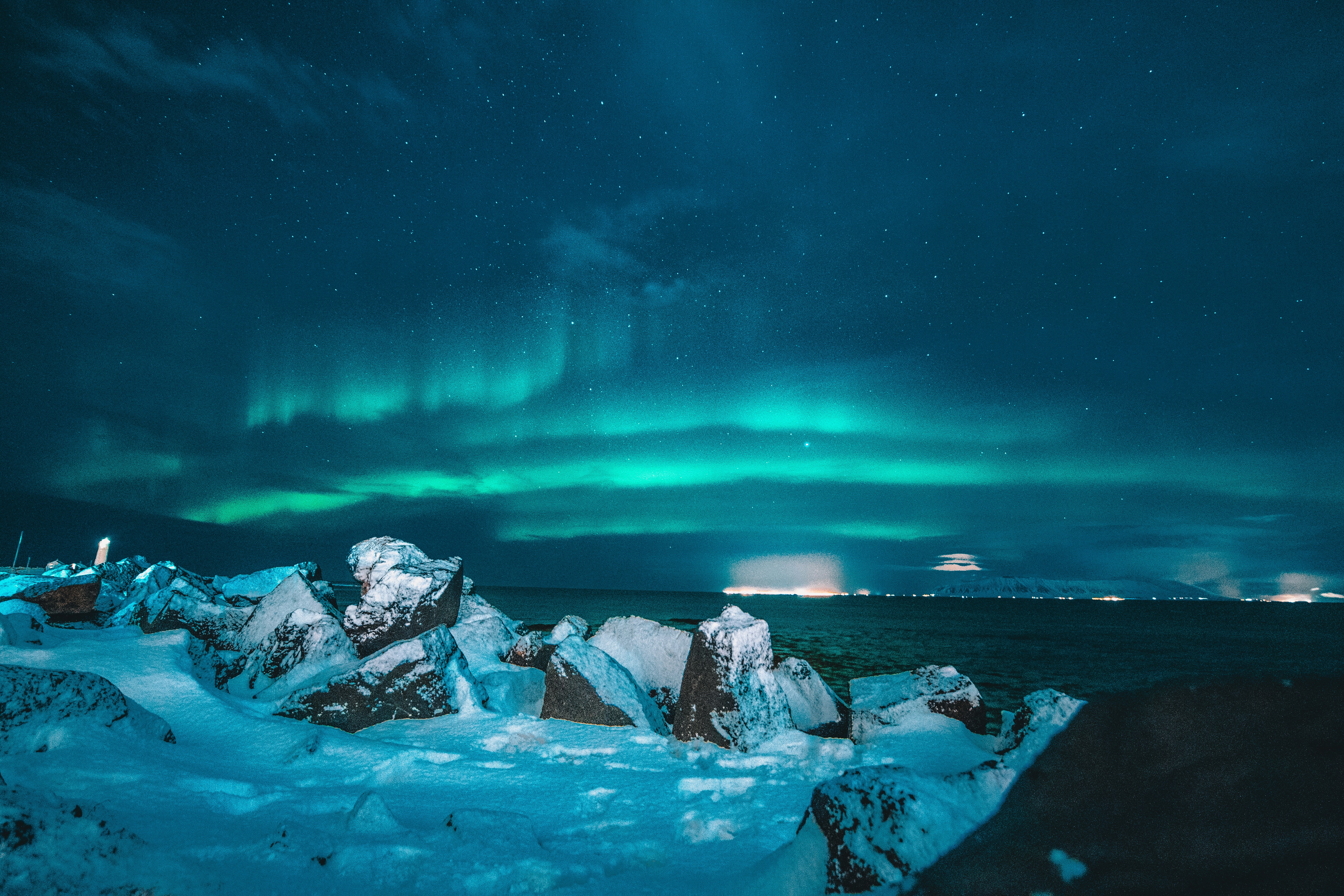
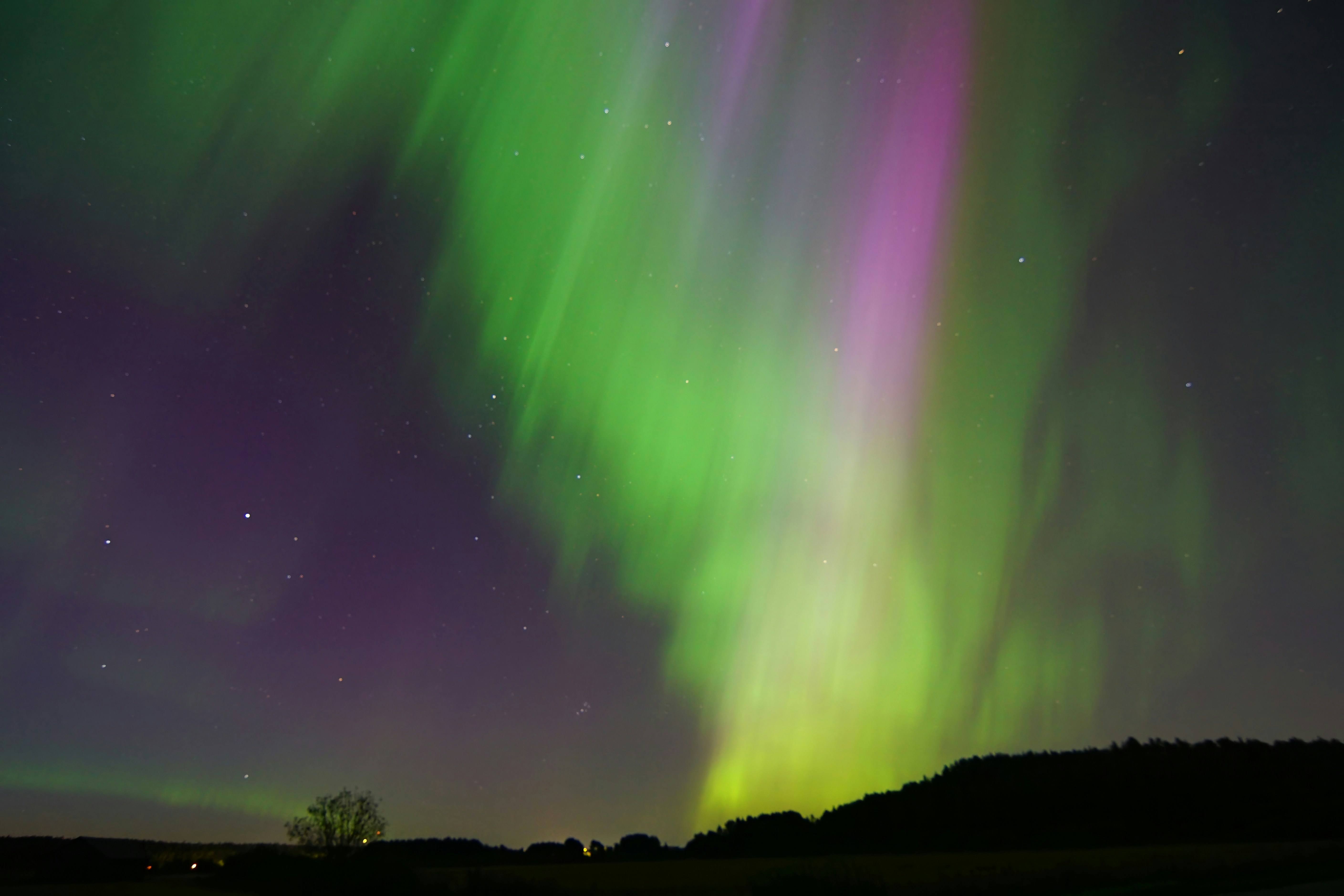
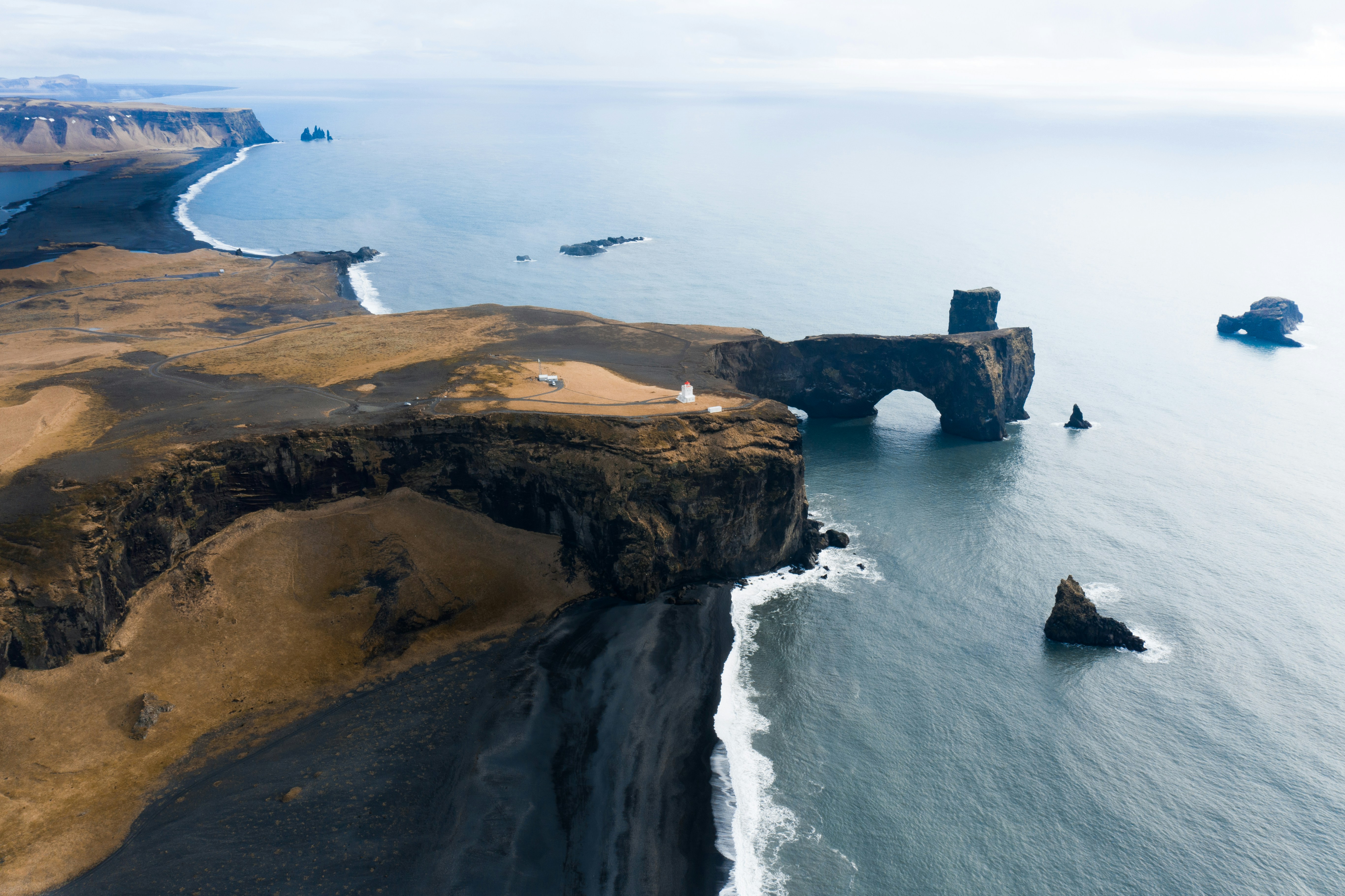
We push east into the Vatnajökull interior where the largest glacier in Europe meets the largest lava field. Camp is made at the edge of the Skaftá cauldron. Aurora probability at this latitude and darkness in late September is among the highest in Iceland.
Jules Verne's gateway to the earth's center at the edge of the Atlantic. The Snæfellsjökull glacier glows under low autumn sun. We time our approach for the golden hour that comes at 3 p.m. in October, when the sea cliffs turn orange and the glacier turns pink.
Deep Winter
Ice lit from within. Wind with teeth.
January and February. The ice caves are at their maximum size and their deepest blue. The sky is dark by 4 p.m. Headlamps cut through snowstorms on the approach. What is inside the glacier is worth everything it takes to get there.
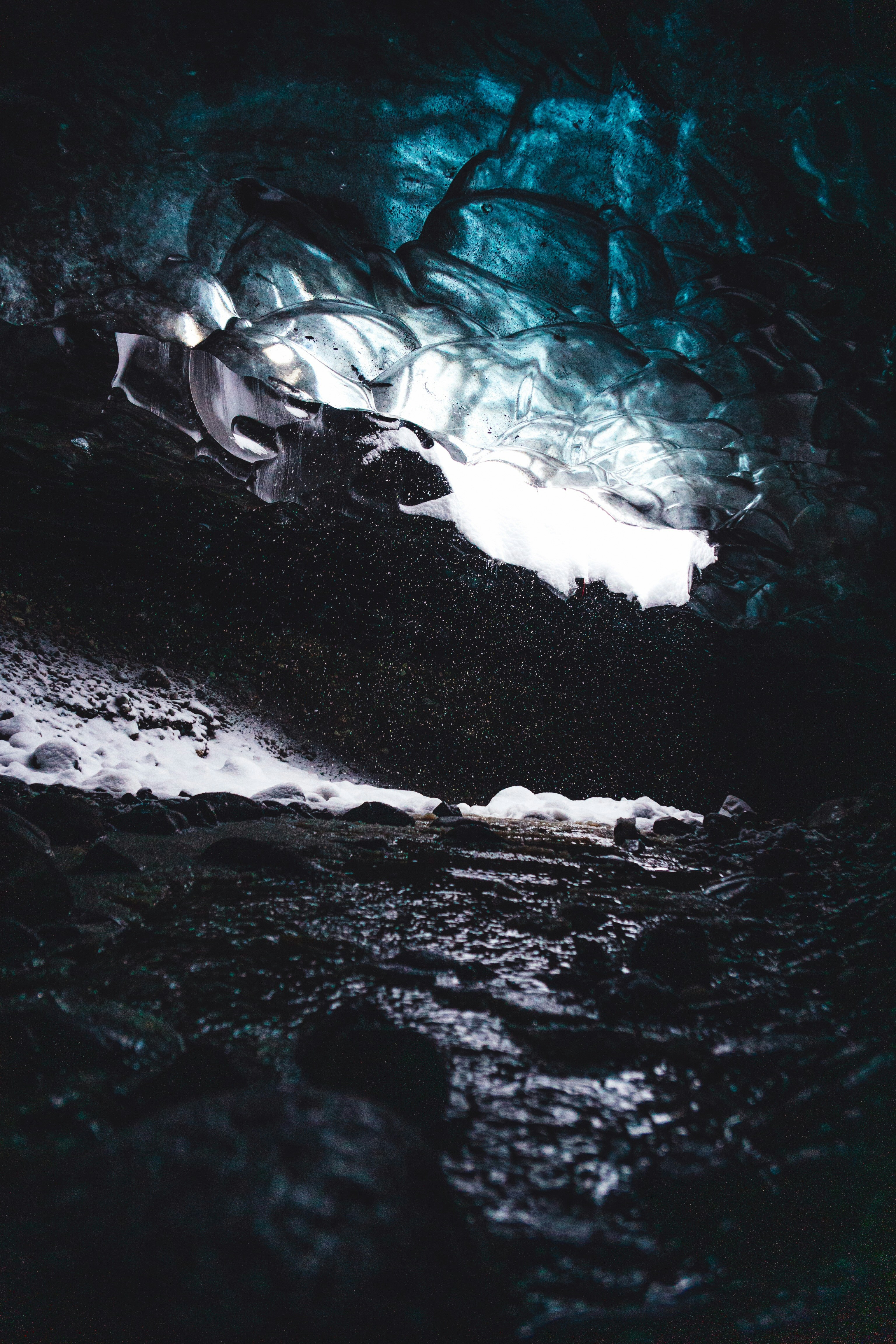
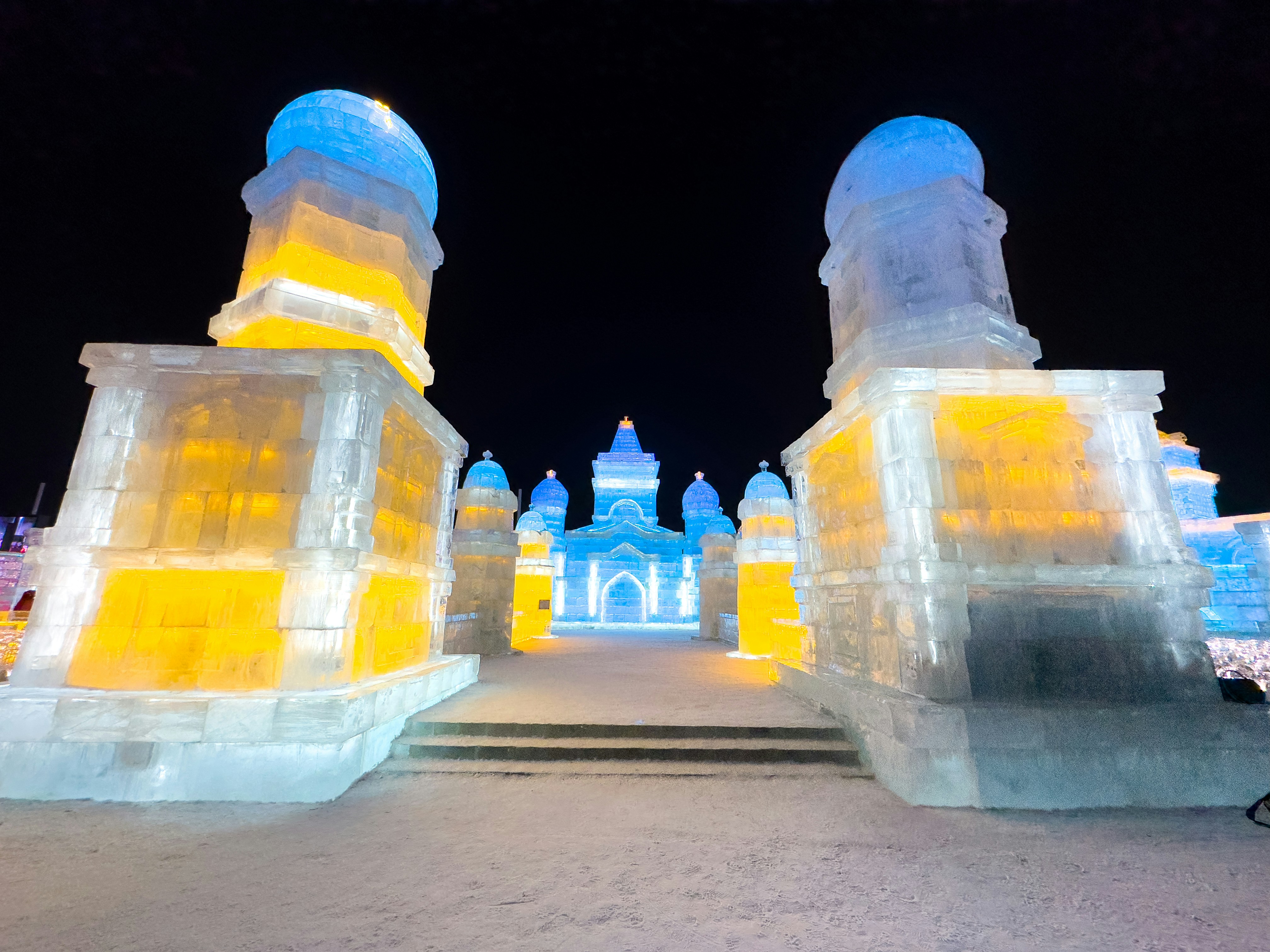
The natural ice caves under Vatnajökull are accessible only in deep winter when the meltwater has frozen and the ice has set. The blue is not a color you have seen before. We drive through snowstorm approaches, walk the glacier surface, and descend into chambers that took 800 years to form.
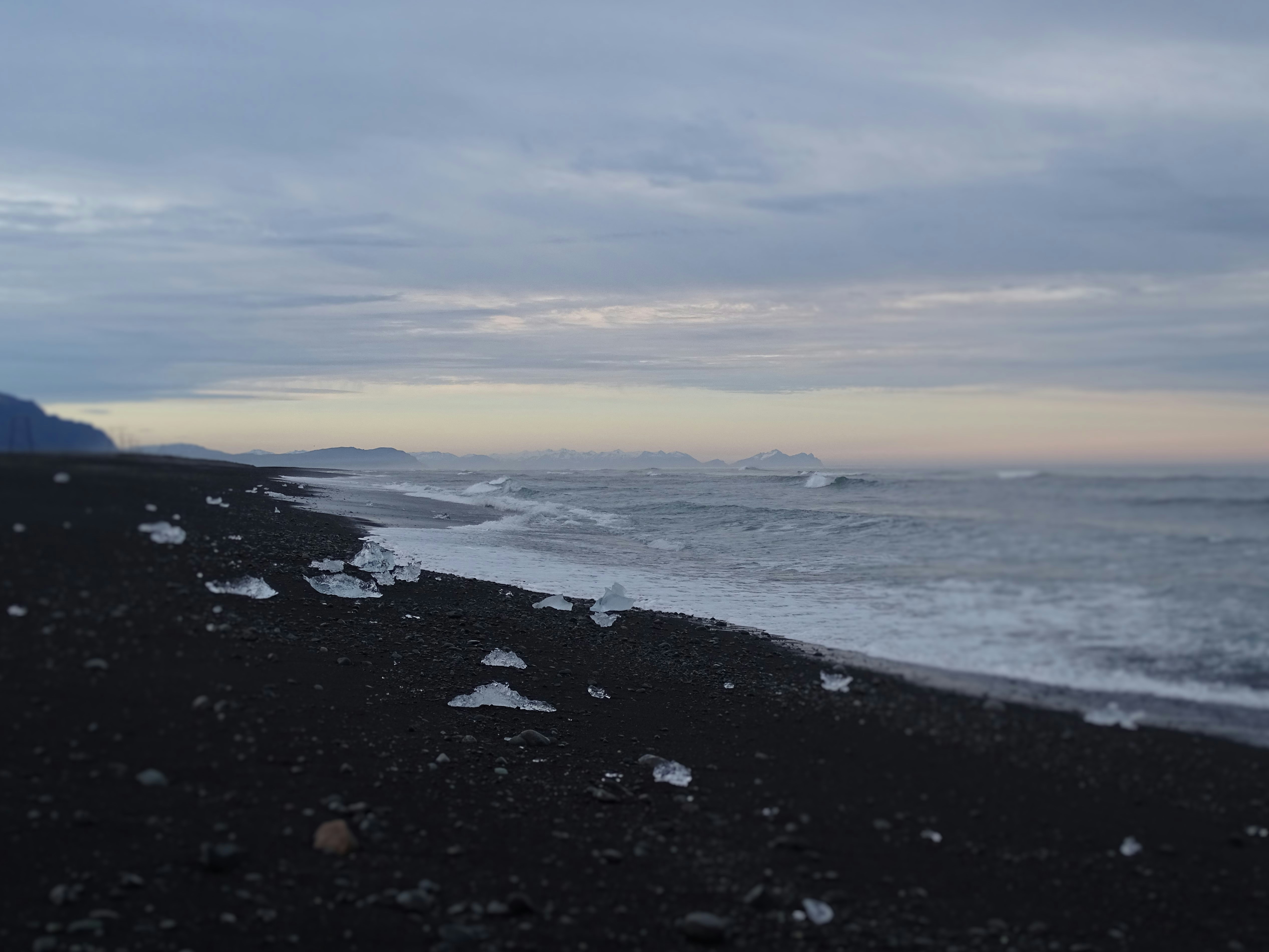
The south coast in February is a different planet. Jökulsárlón glacier lagoon fills with blue icebergs. Skógafoss waterfall half-freezes and turns to glass. The black sand beach at Reynisfjara is empty. We drive the coast in darkness, navigating by the phosphorescence of the surf.
Thaw
Meltwater carves new maps every day.
April and May. The snowpack breaks. Glaciers shed their winter ice in rivers that did not exist three weeks ago. The highland roads are technically closed — but with the right truck and the right guide, the first crossings of the season belong to whoever shows up.
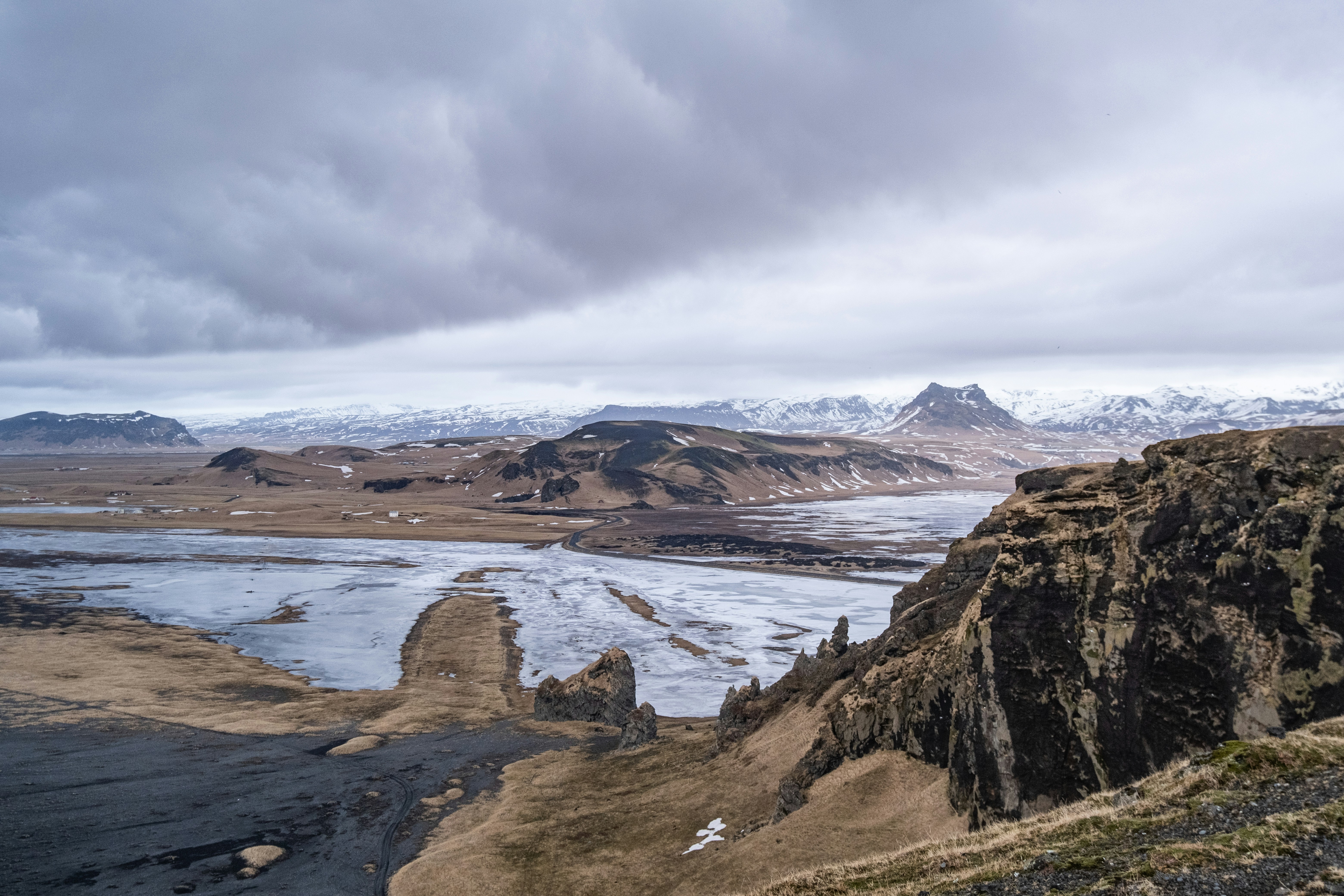

The Sprengisandur desert crossing is the longest F-road in Iceland. We attempt the first crossing of the season — two trucks, winch cables rigged, river levels checked hourly. The snowmelt rivers can rise half a meter overnight. This is not a tour. This is an expedition with a variable outcome.
Þórsmörk sits between three glaciers. In spring, the valley floor fills with meltwater braids that shift daily. Birch trees are just coming into leaf. The air smells of snowmelt and volcanic sulfur. We camp at the valley floor and hike the ridgeline for views that no photograph has ever done any justice.
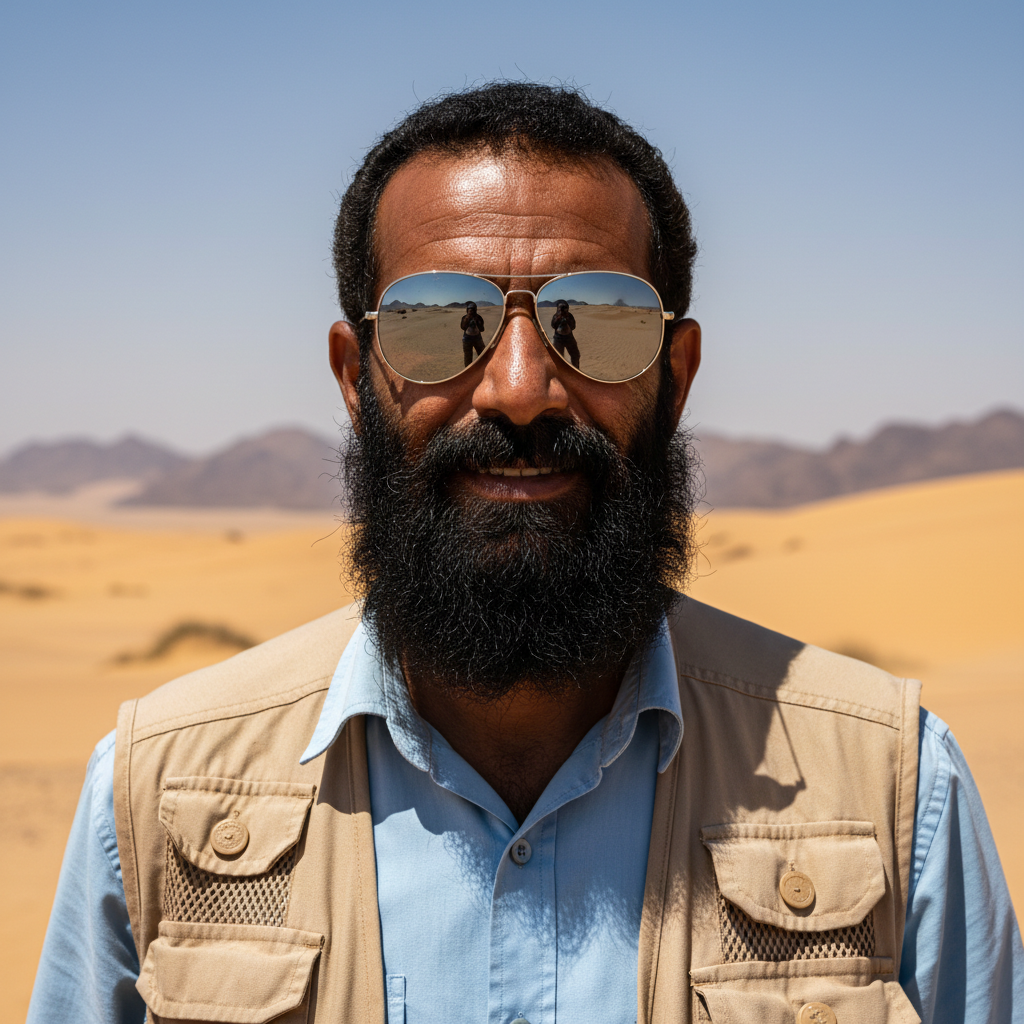
"The F-roads are not roads. They are conversations between the truck and the terrain. You learn to listen."

"I have crossed Kjölur in every season. Each time the plateau surprises me. That is the only promise I make to guests."
"We drove into a river crossing at midnight with the sun still up. The mountains were on fire. I have no other way to describe it."
"I have done Patagonia, Nepal, Namibia. This was different. Iceland at first frost is something that has no postcard."
"We brought our leadership team of 18. They are still talking about the ice cave. The CEO has not looked at her phone in three days."